
What should be in an emergency kit?
A good emergency kit isn’t a random collection of survival gear. It’s a thoughtful basic set that lets you and your household get through the first 72 hours through a crisis when power, water, communication, or regular supplies temporarily go out. This aligns with the current Dutch government guidelines on self-reliance during emergencies.

The basics of a good emergency kit
1. Drinking water
Water is the number one priority. Multiple Dutch sources cite approximately 3 liters per person per day as a practical guideline.
2. Shelf-stable food
Choose food that:
- has a long shelf life
- requires little to no preparation
- is easy to store
3. Lighting
Put together a combination of:
- a flashlight
- an emergency lamp or lantern
- extra batteries or charging options
4. Communication and information
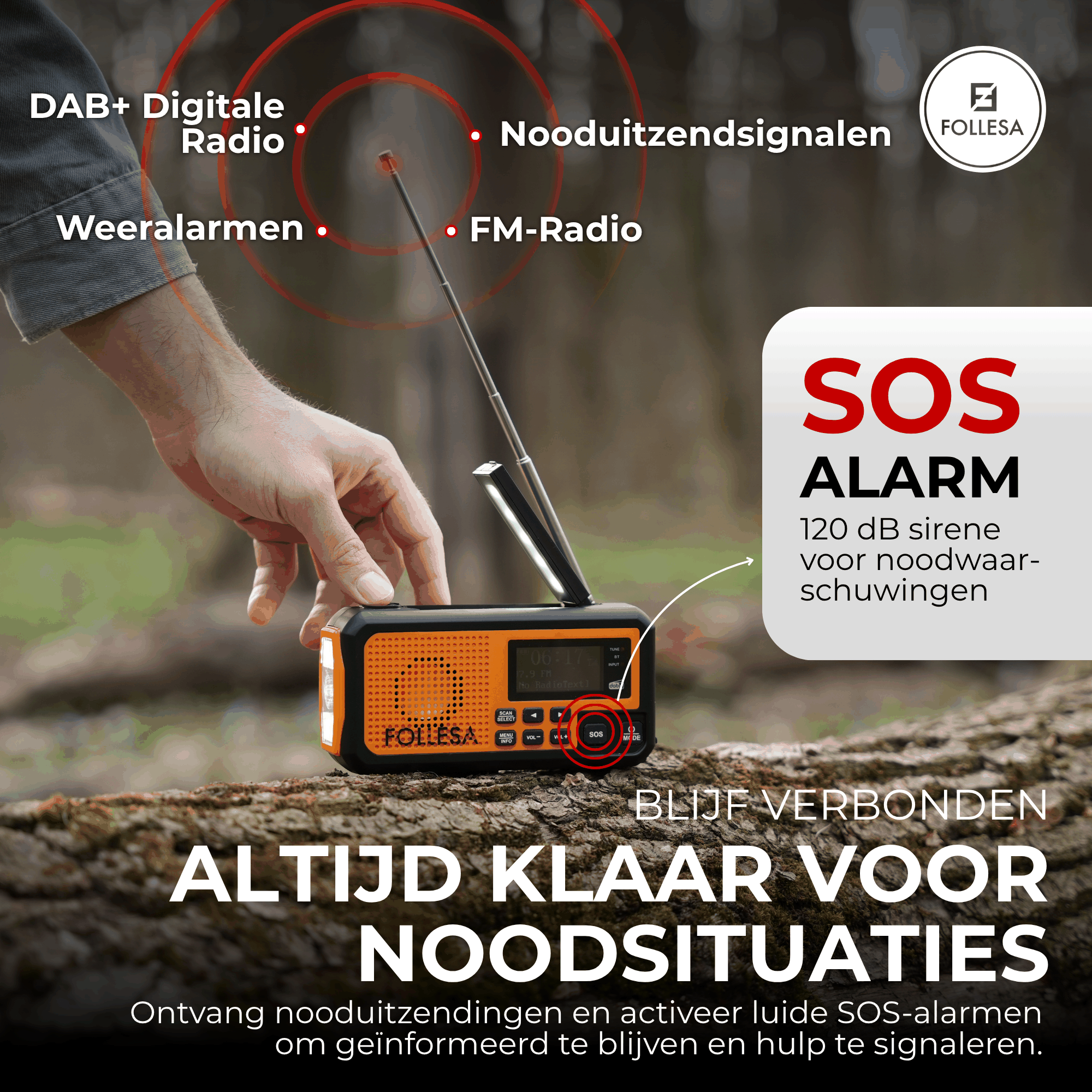
A radio is crucial when internet or mobile service is limited. The government rightly lists a radio as a permanent essential part of an emergency kit.
5. Power supply
You’ll want at minimum:
- a power bank
- charging cables
- preferably a device that can charge without a wall outlet
6. First aid
A compact first aid kit should be standard in every emergency kit.
7. Warmth and hygiene
Consider:
- blankets
- warm clothing
- trash bags
- wet wipes
- hygiene products
8. Important documents and cash
Store copies of important documents and some cash in a secure, fixed location.

The smart design of a modern emergency kit
Many people assemble their kits as individual loose items. This works, but the downside is that you’ll quickly forget something. That’s why complete sets often perform better. The Follesa complete emergency kit is a great example here, as it combines all the essential categories into one set:
- emergency radio
- water filter
- portable gas stove
- LED lantern
- first aid supplies
- durable backpack
This isn’t just practical for home use, it also works as a grab-and-go kit. Both the product page and the PDF visuals clearly show this layout.
Why an emergency radio belongs in every emergency kit
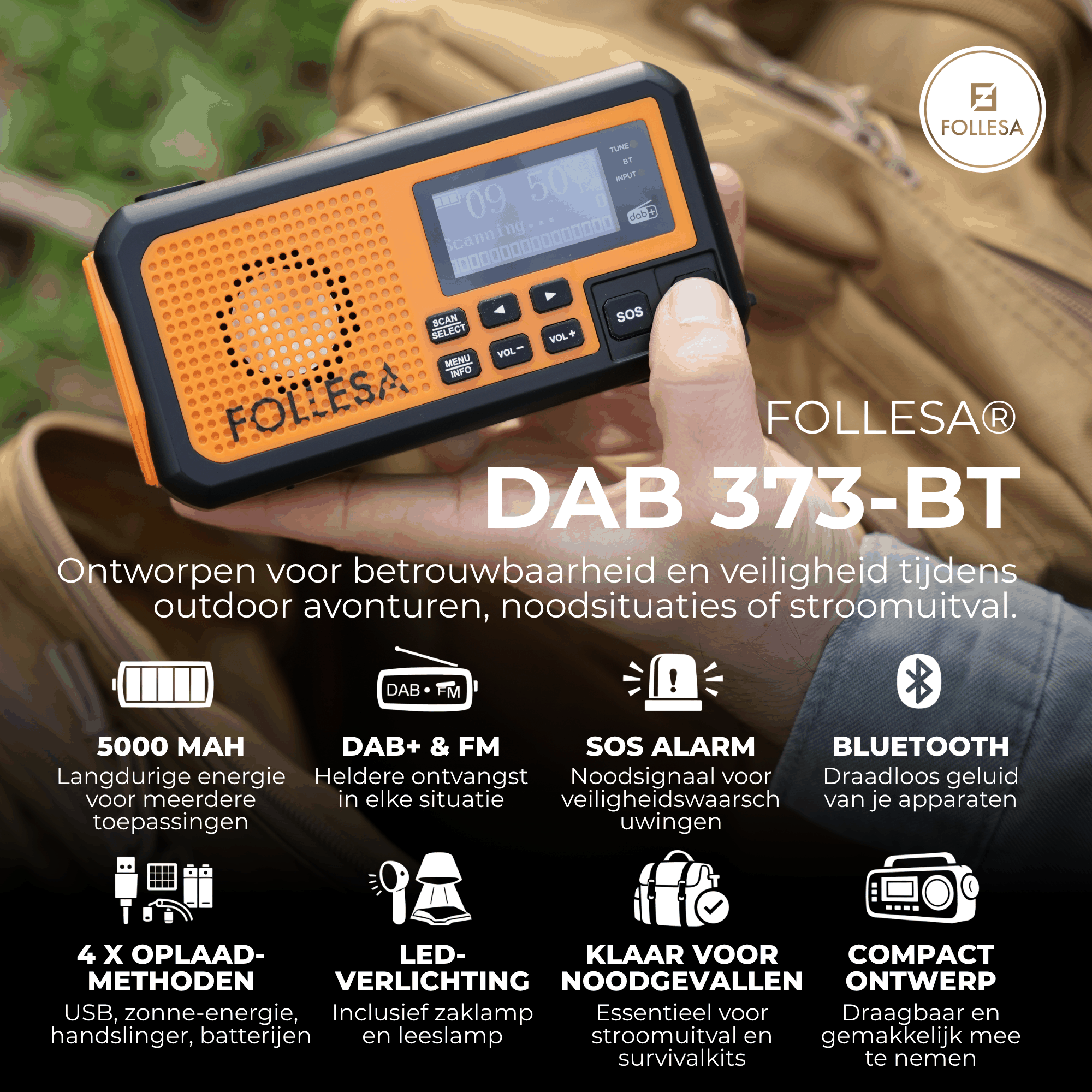
The emergency radio is the core of a good kit, as it covers multiple basic needs:
- receiving emergency updates
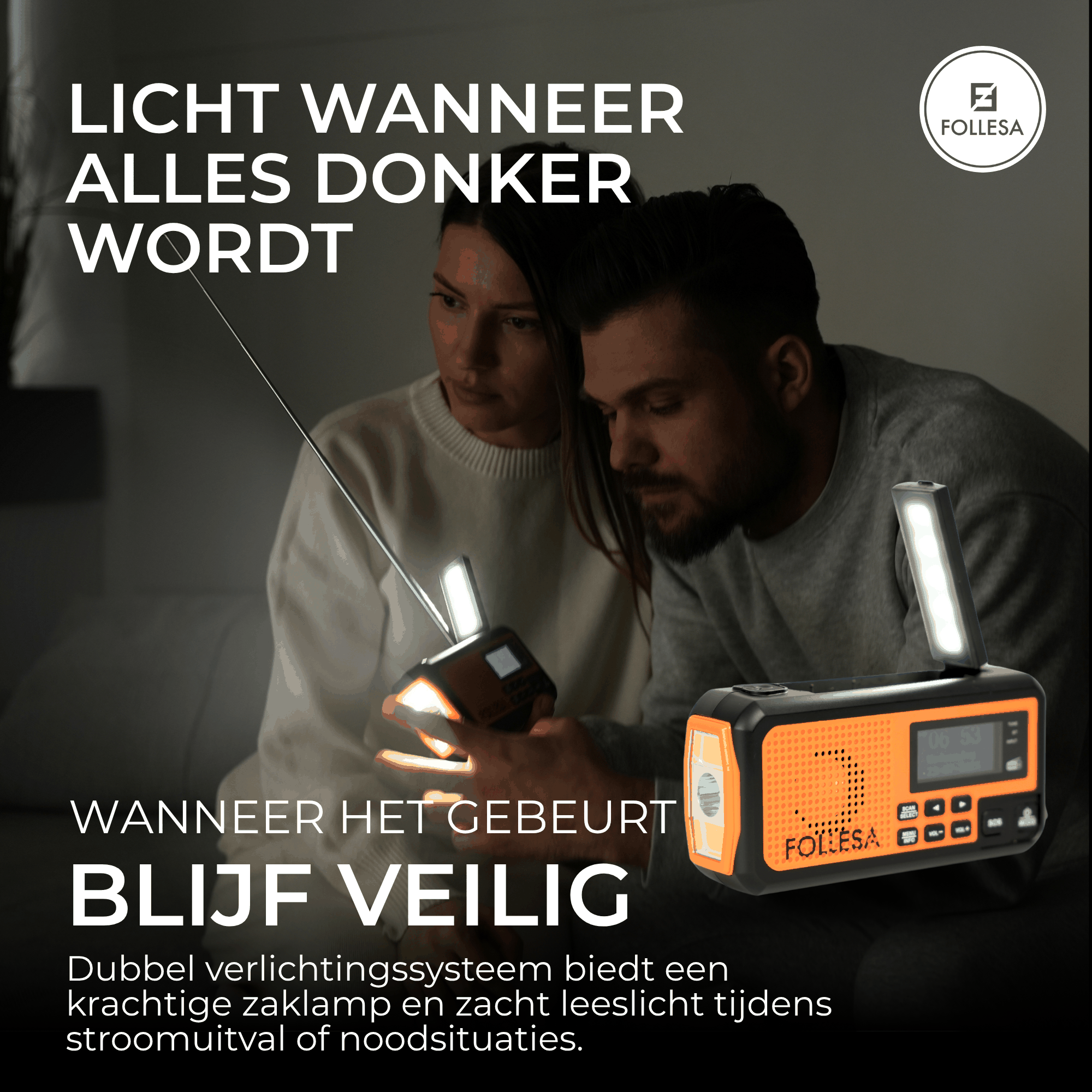
- providing light in the dark
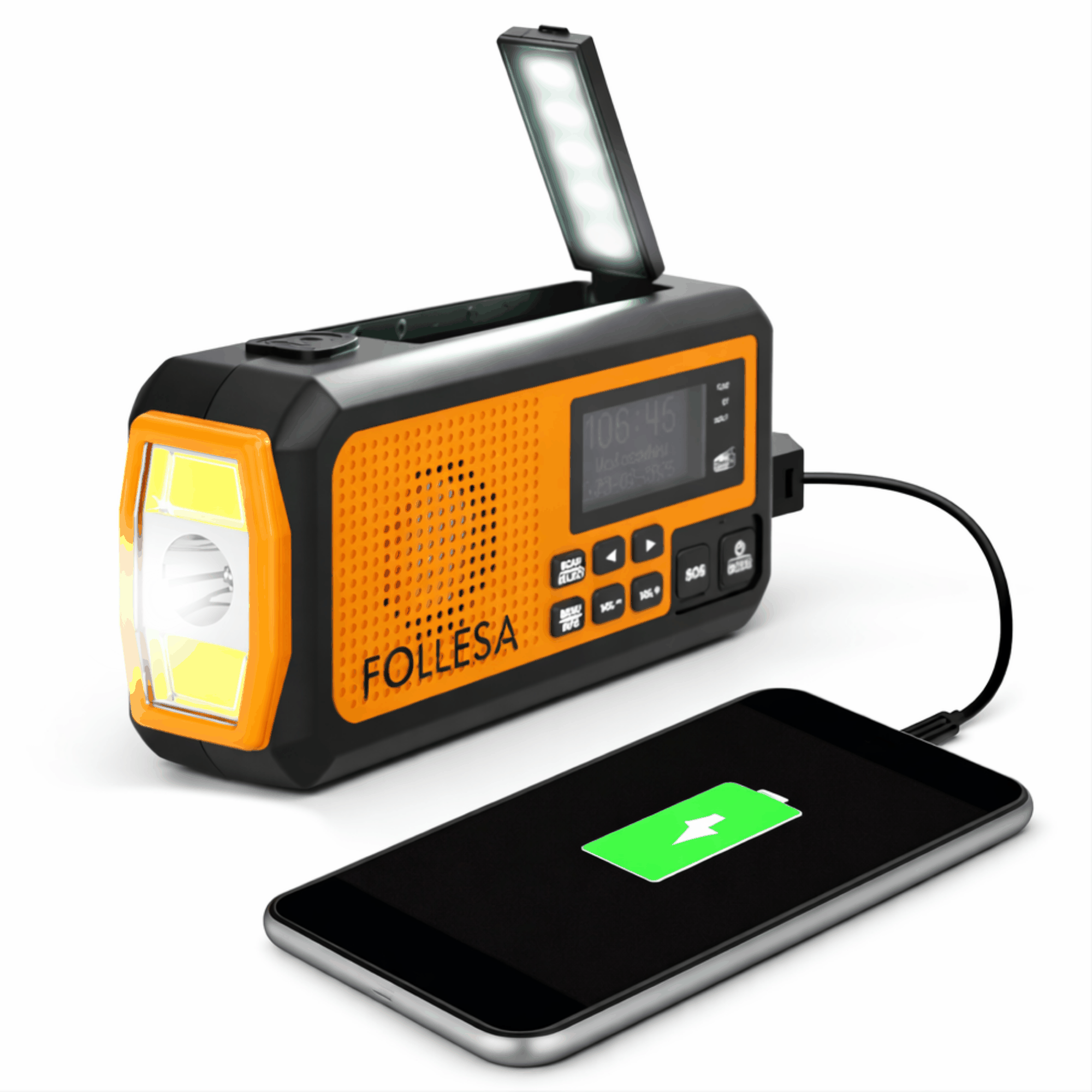
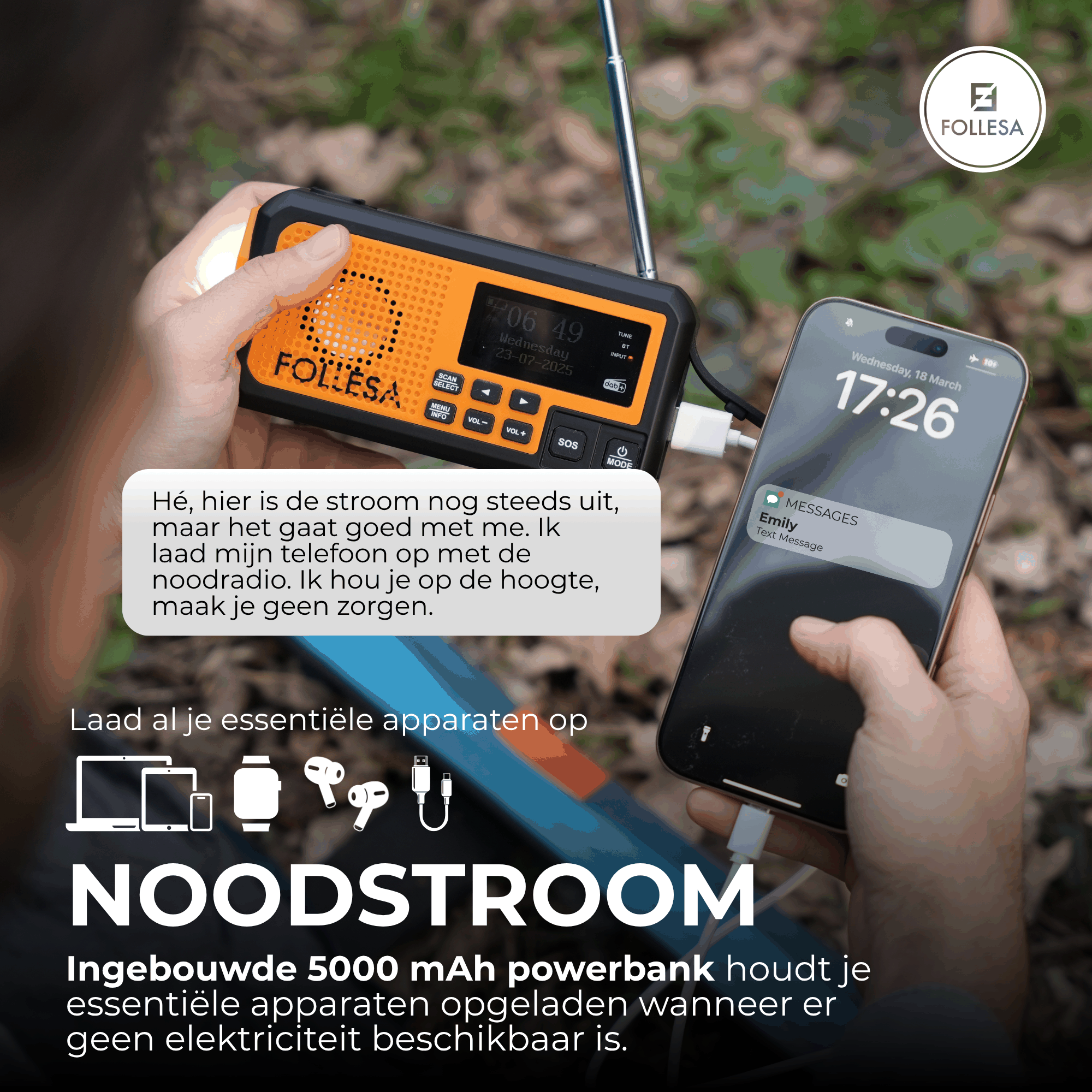
- charging a mobile phone
- sounding an alarm
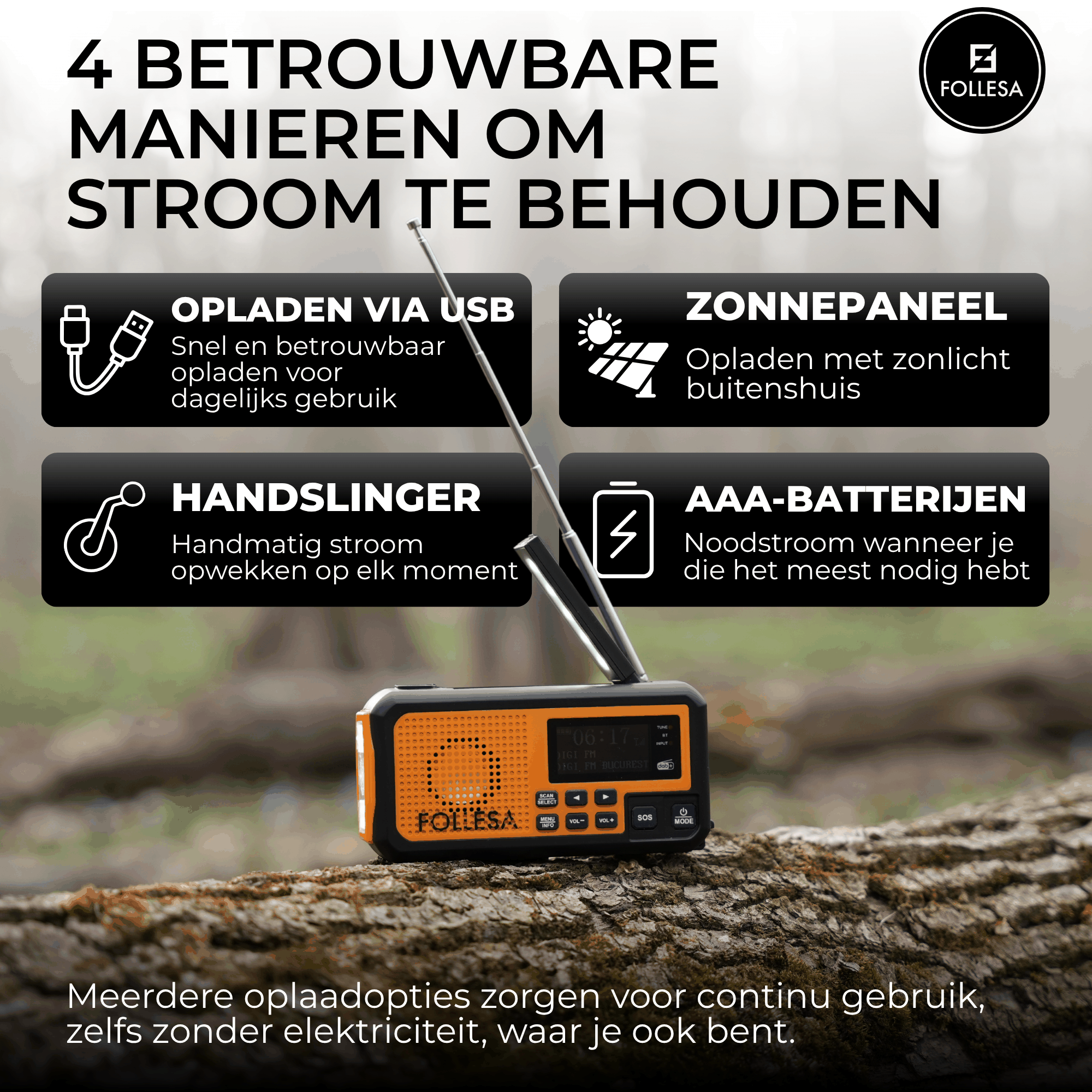
- operating independently of wall outlets
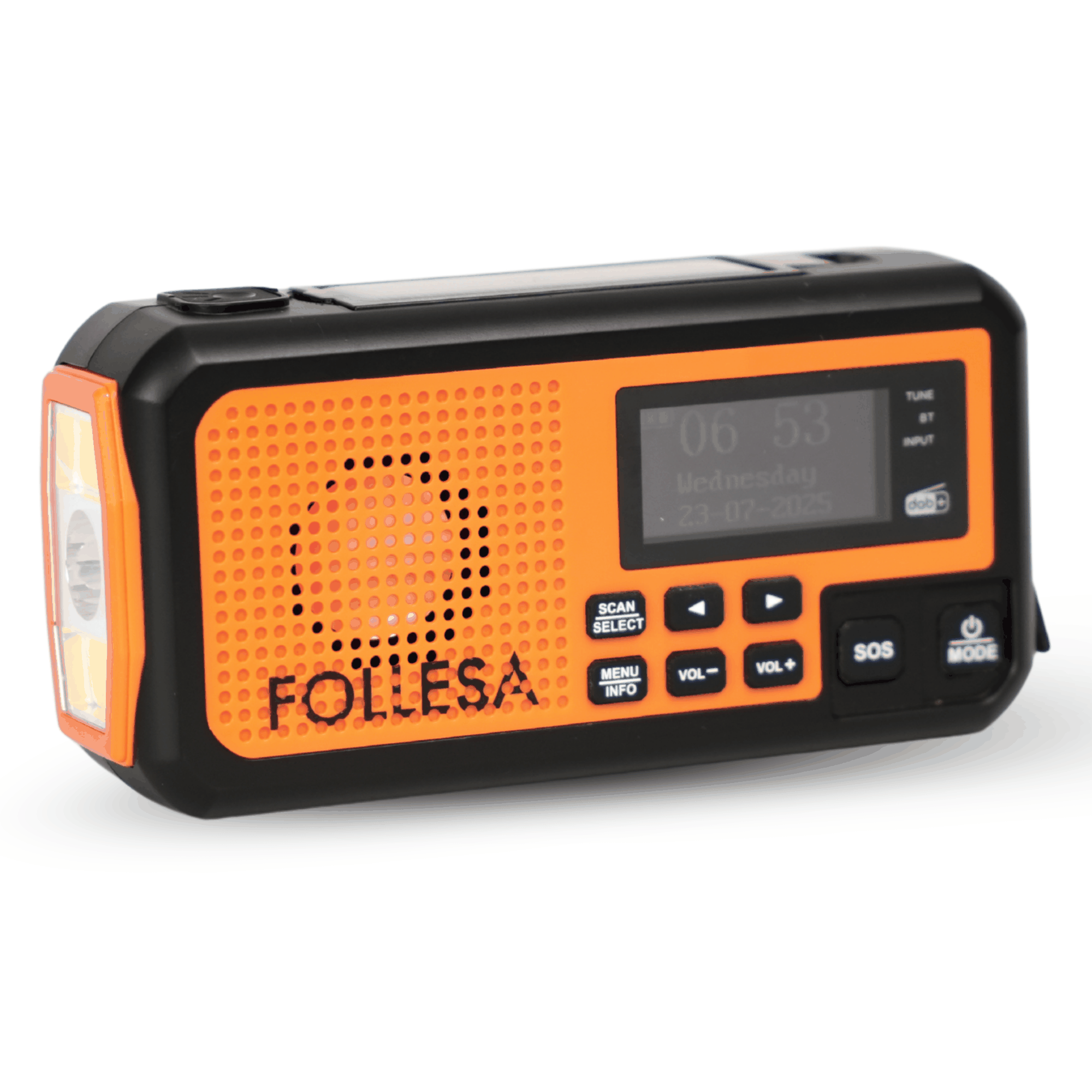
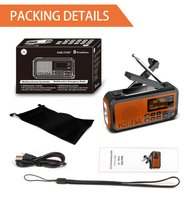
For Follesa, this is especially relevant thanks to the combination of DAB+/FM, 5000 mAh power bank, flashlight, reading light, SOS alert, and four charging options.
Who is an emergency kit especially important for?
An emergency kit is smart for everyone, but especially relevant for:
- families with children
- senior citizens
- people who work from home frequently
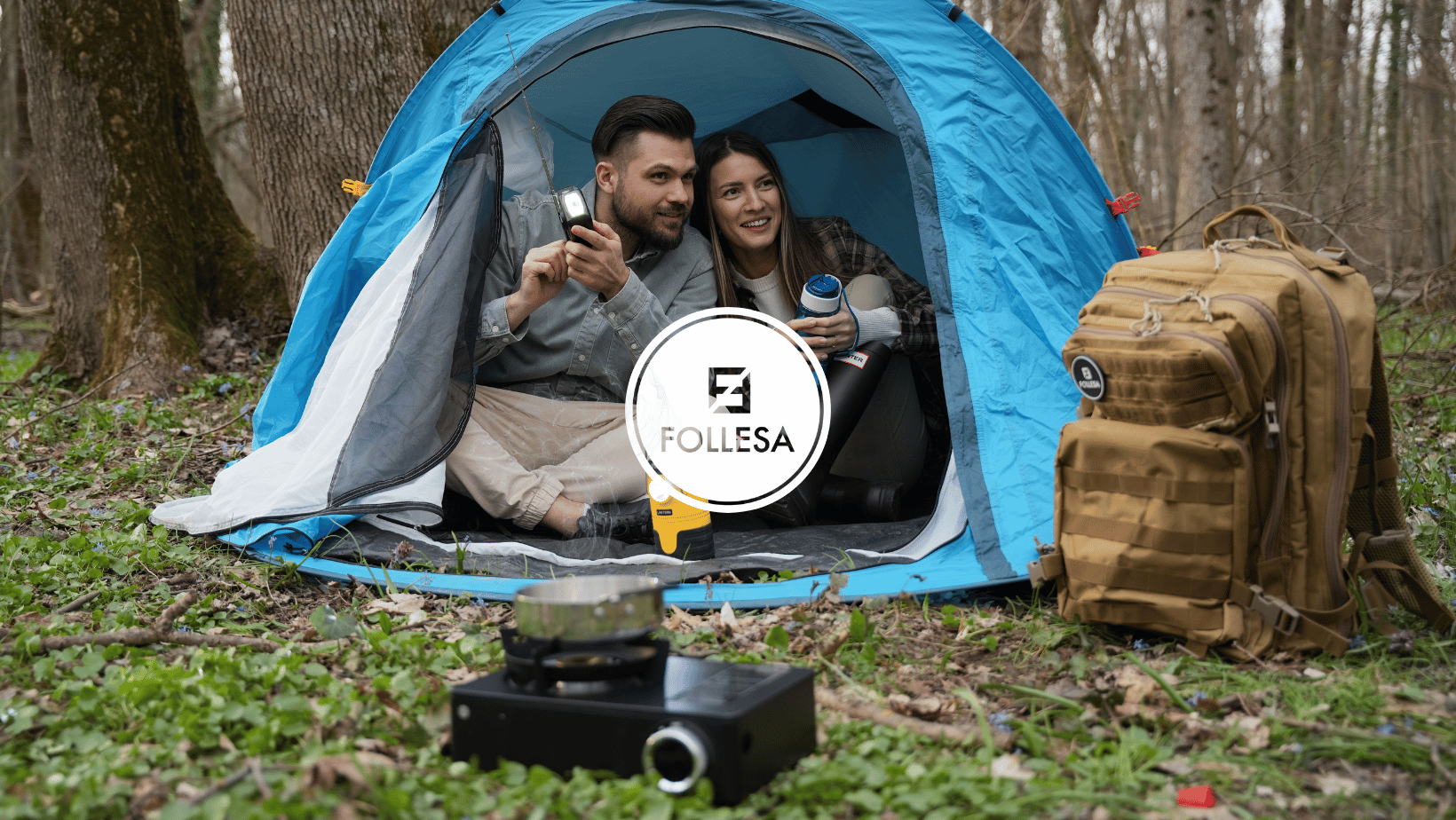
- campers and outdoor enthusiasts
- households that want to be prepared for power, water, or communication outages
Checklist: What should be in a minimum emergency kit?
- drinking water
- shelf-stable food
- emergency radio
- flashlight or lantern
- power bank and charging cables
- first aid kit
- blankets or warm clothing
- hygiene products
- matches or lighter
- cash
- documents and emergency contact numbers
- optional water filter and cooking capabilities

Conclusion
Anyone searching for "what should be in an emergency kit" doesn’t want a theoretical list—they want a practical answer. The strongest content for both SEO and conversion is therefore: educational, concrete, and immediately actionable. A good emergency kit always covers the basics for water, information, light, power, warmth, and first aid. That’s why the Follesa emergency kit aligns perfectly with this search intent.
Internal link opportunities:
- Complete emergency kits
- Emergency radios
- Survival advice & tips